

About the Book
The Truth About Dragons follows a young child on a journey guided by his mother’s bedtime storytelling. The story explores the coexistence of Eastern and Western dragon mythologies, celebrating mixed cultural identity and the wisdom of two grandmothers
About the Author
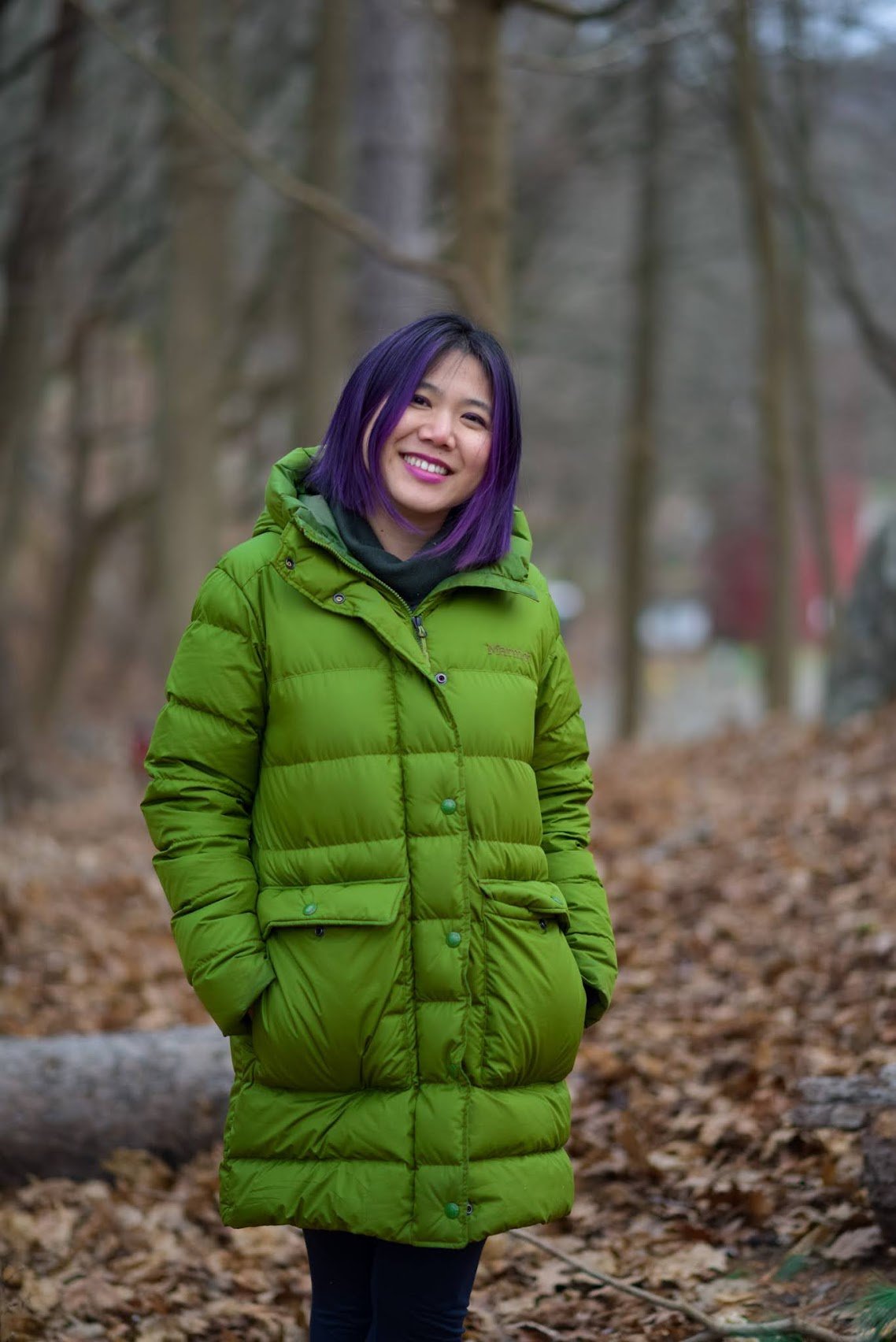
Julie Leung is an award-winning author who writes amazing books for kids. She grew up in the quiet suburbs of Atlanta, Georgia, but she loves to imagine herself in magical places like Oz and Middle-earth. Julie works in book publishing during the day, helping to bring other great stories to life.
About the Illustrator
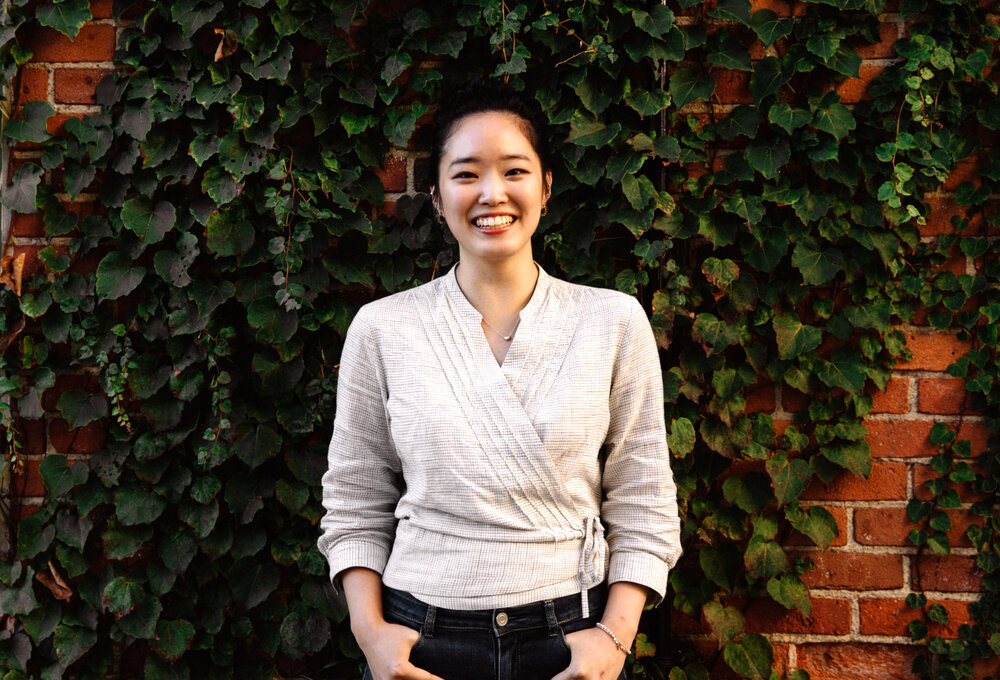
Hanna Cha is a talented illustrator and writer who has won many awards for her beautiful artwork. She was born in America and has lived in both the United States and South Korea. Hanna loves to create stories and pictures that capture magical moments
Awards
- 2024 Caldecott Honor Book
- 2024 Asian/Pacific American Award for Literature
Publisher
Henry Holt and Company , an imprint of Macmillan
Learning Activities
Discussion Questions
Grade 1:
- Who is the main character in the story? (RL.1.1)
- What happens when the child meets the dragons? (RL.1.2)
- What do you think the story is trying to teach us? (RL.1.2)
- How does the child feel when they see the dragons? Tell me about a time you felt that way. (RL.1.3)
- What words does the author use to describe the dragons? (RL.1.4)
- What do the pictures tell you about the dragons? (RL.1.7)
- Retell the story in your own words. What happened first, next, and last? (SL.1.2)
- What was your favorite part of the story and why? (SL.1.2)
- What did you learn about dragons from different cultures? (SL.1.2)
- Can you describe one of the dragons from the story? (SL.1.4)
- Can you draw a picture of your favorite dragon and tell us about it? (SL.1.5)
Grade 2:
- Why does the child in the story feel nervous about meeting the dragons? (RL.2.1) (see also #8)
- Make a list of the different dragons the child meets and what makes each one unique. (RL.2.2)
- What lesson does the child learn by the end of the book? (RL.2.2)
- How does the child’s journey with the dragons help them understand their own cultural heritage? (RL.2.3)
- What words does the author use to describe the dragons’ appearances and behaviors? (RL.2.4)
- How do the illustrations show the difference between Eastern and Western Dragons? (RL.2.7)
- How are the dragons in this story similar or different from dragons in other books or movies you know? (RL.2.9)?
- Can you describe how the child feels when they first meet the dragons? Why do you think they feel that way? (SL.2.1)
- What did you learn about different cultures from the dragons in the story? (SL.2.2)
- Give a short presentation about your favorite dragon from the book and why you like it. (SL.2.4)
- Give an example of an illustration from the book that helps you understand the story better, how do the pictures work with the words to tell the story? (SL.2.4)
- Draw a picture of one of the dragons and explain what makes it special. (SL.2.5)
Grade 3:
- At the beginning of the story, why is the child hesitant to meet the dragons? What changes their mind? (RL.3.1)
- What lesson does the child learn by the end of the story? How do the dragons help teach this lesson? (RL.3.2)
- What descriptive words and phrases does the author use to bring the dragons to life? Can you find an example from the text? (RL.3.4)
- How do the illustrations enhance your understanding of the different dragons’ appearances and behaviors? (RL.3.7)
- How do the illustrations enhance your understanding of the main character’s journey? Describe a scene where the illustration adds to the text. (RL.3.7)
- Discuss with a partner how the child’s feelings about dragons change from the beginning to the end of the story. (SL.3.1)
- What are some key differences between the Eastern and Western dragons in the story? How do these differences reflect their cultural origins? (SL.3.1)
- Share what you learned about different cultures from the dragons in the story with the group. (SL.3.2)
- Give a short presentation about your favorite dragon from the book, explaining why you like it and what makes it unique. (SL.3.4)
- Give an example of an illustration from the book that helps you understand the story better, how do the pictures work with the words to tell the story? (SL.3.4)
Phonics Activities
Grade 1:
- Word Families: Create word cards with dragon-related words from the books (e.g., fire, fly, scales, tail). Have children group the words into families (such as -ire, -y, -ales, -ail) and then have them come up with additional words that belong to each family that aren’t found in the book. (RF.1.3.C)
- Beginning Sounds: Make picture cards of items from the story, such as dragon, fire, wings, cave, etc. Have children identify the beginning sound of each item. Then have children search their surroundings for other objects that start with the same sound. Create a chart with the beginning sounds and list the items found. You can also omit the creation of cards and just point to items directly on the pages of the book. (RF.1.2.B)
- Rhyming Words: Create pairs of rhyming word cards related to the book (eg., “fire” and “tire,” “wing” and “sing”). Mix up the cards and have children match the rhyming pairs. once matched ask children to repeat the rhyming words aloud and come up with additional rhyming words for each pair. Then, encourage the children to write a short rhyming poem or sentence using the rhyming words they have just listed. (RF.1.2.A)
- Syllable Counting: Write a list of words from the book, such as dragon, hobgoblins, path, magic, and powerful. Have the children clap the syllables as the say each word aloud. (RF.1.3.D)
Grade 2:
- Compound Words: Have children locate compound words in the book (sunlight, underground, mountaintops, etc.) and then break each word into its two smaller words. Ask children to read the compound words and identify the meaning of each smaller word. Encourage them to create a list of their own compound words and explain their meanings. (RF.2.3.E)
- Consonant Blends: Find and practice consonant blends in words like “dragon,” “flame,” and “child.” (RF.2.3.B)
- Syllable Sorting: Write a list of words with various numbers of syllables from the book, such as dragon, hobgoblins, path, magic, and powerful. Have the children break each word into syllables (clapping if that is helpful for them) and then sort them into groups based on the number of syllables. Encourage the children to find the word with the most syllables in the book. (RF.2.3.C)
Grade 3:
- Context clues: Select sentences from the book with challenging words:
“If you encounter mischievous hobgoblins who peer at you from under mossy bridges demanding trinkets or answers to riddles, speak briefly and make no promises.”
“She will serve you tea in a delicate porcelain bowl.”
Have children use context clues to determine the meaning of the challenging words and asked them to explain how they figured out the meaning of the word. (RF.3.4) - Compound Words: Have children locate compound words in the book (sunlight, underground, mountaintops, etc.) and then break each word into its two smaller words. Ask children to read the compound words and identify the meaning of each smaller word. Encourage them to create a list of their own compound words and explain their meanings. (RF.3.3.D)
- Prefixes and Suffixes: Explore words with prefixes and suffixes, such as “unafraid,” “flying,” and “inside.” (RF.3.4.A)
Writing Activities
Grade 1:
- Write about whether or not you would like to meet a dragon, explaining why or why not. Start your sentence with either “I would like to meet a dragon because…” or “I would not like to meet a dragon because…” (W.1.1)
- Draw a picture of your favorite dragon from the book and write a few sentences describing the dragon’s appearance and special abilities. Adults can provide a template with sentence starters like “My favorite dragon is…”, “It looks like…”, and “It can…” (W.1.2)
- Retell the story by writing about the main events in order, be sure to use sequencing words like “first,” “then,” “next,” and “finally.” (W.1.3)
- Imagine your own dragon adventure and write a short story including where you went, what you did, and how your adventure ended. (W.1.3)
Grade 2:
- Write an opinion piece about whether or not you would like to meet a dragon. Provide at least 2 reasons for your opinion. (W.2.1)
- Choose your favorite dragon from the book and write a paragraph describing the dragon in detail including appearance, abilities, and interesting facts. Use lots of descriptive words and phrases. Be sure to include an introduction and conclusion. (W.2.2)
- Write a paragraph comparing and contrasting the Eastern and Western dragons from the book. Use a Venn diagram to organize your thoughts and use details from the book to support your comparison. (W.2.2)
Grade 3:
- Write a detailed informative paragraph about your favorite dragon from the book. You must use descriptive words and phrases found in the book to describe the dragon in addition to your own words. (W.3.2)
- Find another book that features dragons (Dragons Love Tacos by Adam Rubin, No Cat Like Tac by Alliah Agonstini, Waking Dragons by Jane Yolen, etc.) and write a 3-paragraph compare and contrast essay about the dragons in those books and the dragons in The Truth About Dragons. Use a Venn Diagram to organize your research and details from the books to support your comparisons. Be sure to include an introduction and conclusion paragraph.(W.2.2)
Hands-On Activities
- Design and create a dragon using various art and recycled materials.
- Build a diorama of a dragon’s habitat using shoeboxes. Encourage children to thing about where their dragon lives, what it eats, and what its surroundings look like.
- Research and present information about dragons from different cultures. Create a poster or digital presentation with the findings, including pictures and interesting facts.
Social Emotional Activities
- Explore Emotions: Read a section of the book where the child meets the dragons. Discuss the emotions the child might be feeling (nervous, excited, curious). Have children draw a picture of a time they felt a similar emotion.
- Celebrate Diversity: Discuss how the book includes dragons from different cultures. Use a world map to locate the regions where these dragons originated. Have children discuss the interesting facts they learned about each culture.
The Truth About Dragons by Julie Leung, with illustrations by Hanna Cha, is a wonderful book that blends different dragon myths from around the world. It’s a great read for kids to learn about various cultures and their stories. Whether for bedtime or classroom reading, this book is a nice way to introduce diversity and the magic of storytelling to young readers. If you’re looking for a book that celebrates different cultures, this book is at the top of my list!
As always, I hope these activities and discussion questions spark some great conversations with your kids. I’d love to hear about your experiences in the comments below.
Don’t forget to follow Top Shelf Tales on Instagram (@top_shelf_tales), share this blog with your fellow educators and librarians, and I’ll see you next week!
 Top Shelf Tales
Leave a comment