

About the Book
In “A Land of Books: Dreams of Young Mexihcah Word Painters” by Duncan Tonatiuh, young Mexihcah children learn about the importance of books and storytelling in their culture. They discover how their ancestors created beautiful codices filled with stories, history, and knowledge. Through their journey, they gain a deeper appreciation for their heritage and the power of words.
About the Author
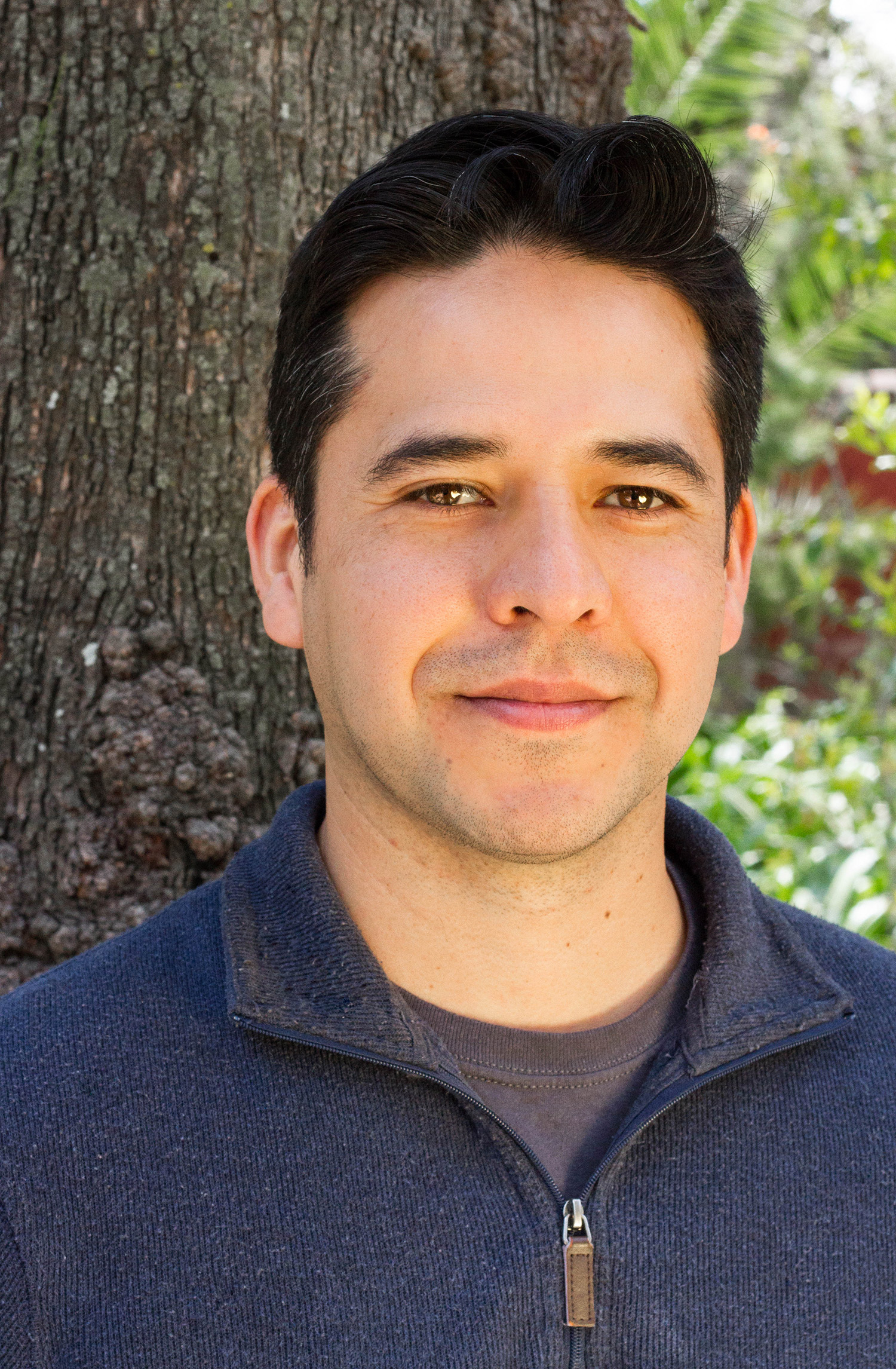
Duncan Tonatiuh (pronounced toh-nah-tee-YOU) is a talented author and illustrator who was born in Mexico City in 1984. He grew up in San Miguel de Allende, Mexico, and later moved to the United States for school. Duncan’s books are inspired by ancient Mexican art and often tell stories about important topics like history, culture, and social justice.
Awards
- 2023 Pura Belpré Youth Illustration Honor
Publisher
Abrams Books
Learning Activities
Discussion Questions
Grade 1:
- Who are the main characters in the story? What do they learn about their culture and books? (RL.1.1)
- Who are the Mexihcah people in the story? What do they do that is special? (RL.1.1)
- How do the Mexihcah children learn about their ancestors? What do they discover about the codices? (RL.1.3)
- How do the children feel when they learn about the codices? What do they do to show their excitement? (RL.1.3)
- Look at the illustrations of the codices. How do the pictures help you understand what the codices are and why they are important? (RL.1.7)
Grade 2:
- What is the main idea of the story? How do the children learn about the importance of books in their culture? (RL.2.1)
- Describe a scene where the children are learning about the codices. How does this scene help them appreciate their heritage? (RL.2.3)
- How do the illustrations and text work together to show the children’s journey of discovery? Can you find an example where the picture adds more information to the story? (RL.2.7)
- How do the illustrations and text work together to show the Mexihcah people’s way of life? Can you find an example where the picture adds more information to the story? (RL.2.7)
Grade 3:
- Analyze the illustration where the children are looking at the codices. How does the artist use color and detail to show the importance of these books? (RL.3.7)
- What are some key detail in the story that help you understand the significance of the codices to the Mexihcah people? (RL.3.1)
- What is the theme of the story related to the Mexihcah people’s culture and history? How do the events in the story support this theme? (RL.3.2)
Phonics Activities
- Create bingo cards with pictures of objects from the book (canoe, pyramid, smoke, book, paint, paper, fire, cactus, etc.). Each box on the card should correspond to a word that begins with a different sound. Call out sounds, and the children will mark the pictures that start with the called-out sound. (RF.1.2)
- Have children search the book for all the words that belong to different word families (-at, -an, -it) and write them on separate slips of paper. Mix up the slips of paper then have the children sort them by word family and practice saying each word with a friend. (RF.1.3)
Grade 2
- Wrote words from the book with their sounds separated (e.g., /l/ /a/ /nd/ for “land”) Have children practice blending the sounds together to form the word. (RF.2.3)
- Select words from the book and have children clap or tap to count the syllables in each word. Create a chart with one, two, three, and four syllable columns where children can place each word. See example chart below. (RF.2.3)
| 1 | 2 | 3 | 4 |
| books stone | obtain sacred | volcano pyramid | volcano territories |
Grade 3
- Identify words with common roots or prefixes/suffixes in the book. Discuss the meaning of the root words and how they change with different prefixes/suffixes. have children create new words using the same roots and discuss their meanings. In the example below, the underlined word is found in the text.
| root word | prefixes | suffixes |
| box | unbox, re-box, outbox, inbox | boxed, boxes, boxing, boxer |
| plant | n/a | planting, planted, planter, plants |
| launch | relaunch, prelaunch, postlaunch, | launching, launched, launcher, launches |
Writing Activities
Grade 1:
- Write about your favorite part of the story and explain why you like it. (W.1.1)
- Draw a picture of the Mexihcah children and write a few sentences describing what they learn about the codices. (W.1.2)
- Write a short story about a time when you learned something new about your culture or family history. How did it make you feel? (W1.3)
Grade 2:
- Write a letter to one of the Mexihcah children, telling them why you think their culture and books are important. (W.2.3)
- Write a summary of the story, including the beginning, middle, and end. What is the main message of the book? (W.2.2)
- Write a how-to guide on creating a codex, based on what you learned from the book. (W.2.2)
Grade 3:
- Research the history of the Mexihcah people and their codices. Write a report about what you learned and how it relates to the story. (W.3.2)
- Write a diary entry from the perspective of one of the Mexihcah children. How do they feel about learning the history of the codices and their culture? (W.3.3)
- Write an opinion piece about why you think preserving cultural history is important. Use examples from the book to support your opinion. (W.3.1)
Grade 1:
Hands-On Activities
- Have children create their own mini codices. They can draw pictures and write simple stories of facts about their own lives.
- Have students create artwork inspired by the illustrations in the book using bright colors and patters to mimic the style of ancient Mexihcah art.
- Set up a storytelling circle where children can share stories from their own family traditions and cultures.
- Create a timeline of the Mexihcah people’s history drawing pictures and write descriptions of important events, including the creation of the codices.
- Set up a mini-museum with artifacts (real or replicas) related to the Mexihcah culture.
- Make a map of the Mexihcah region and have children label important places mentioned in the book adding illustrations and descriptions to make the map more informative.
- Have children research different types of codices and create a presentation about their findings including illustrations, facts, and explanations of how the codices were used.
- Create a poster that highlights the Mexihcah people’s cultural heritage. Include information about their traditions, art, and history, using both text and images.
- Build an interactive storyboard that outlines the key events in the book using materials like cardboard, markers, and string to create a visual representation of the story.
Social Emotional Activities
- Create an “Emotion Map” for the book. Have each child pick a character and map out the emotions that character experiences throughout the story. This can help children understand and identify different emotions and the situations that trigger them.
- Have children role-play as different characters from the book. Each child can act out a scene and explore how their character might feel and react. This fosters empathy and understanding of different perspectives.
This enchanting tale reminds us that books are not just collections of words but gateways to new worlds and endless possibilities. It is a privilege to guide children through these literary adventures, sparking their imaginations and nurturing their love for reading.
Join me as I continue to champion the magic of books, inspiring young learners to dream big and explore the vast horizons of their creativity. Together, we can help every child live in a land of books, where their seeds of knowledge and wonder are planted and flourish.
Don’t forget to follow Top Shelf Tales on Instagram (@top_shelf_tales) and share this blog with your fellow educators and librarians, and I’ll see you next week!
 Top Shelf Tales
Leave a comment